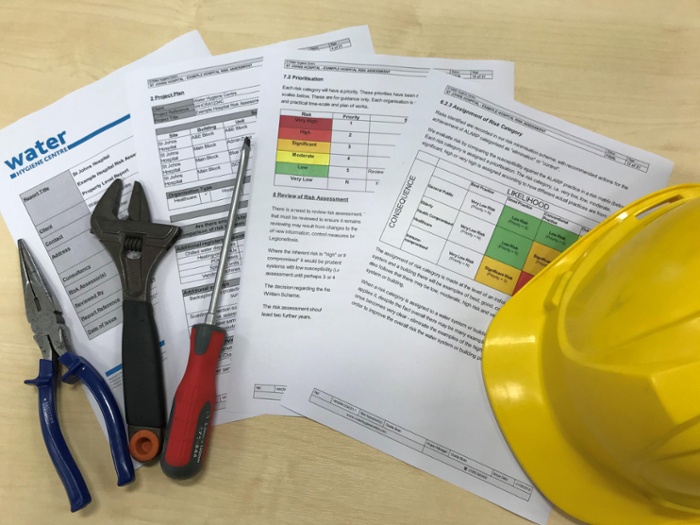
 We know that a Legionella Risk Assessment can contain a lot of information, terminology and recommendations. While the report is an important part of demonstrating compliance, it should also be a practical tool to help you understand your water systems, identify risks and manage them effectively.
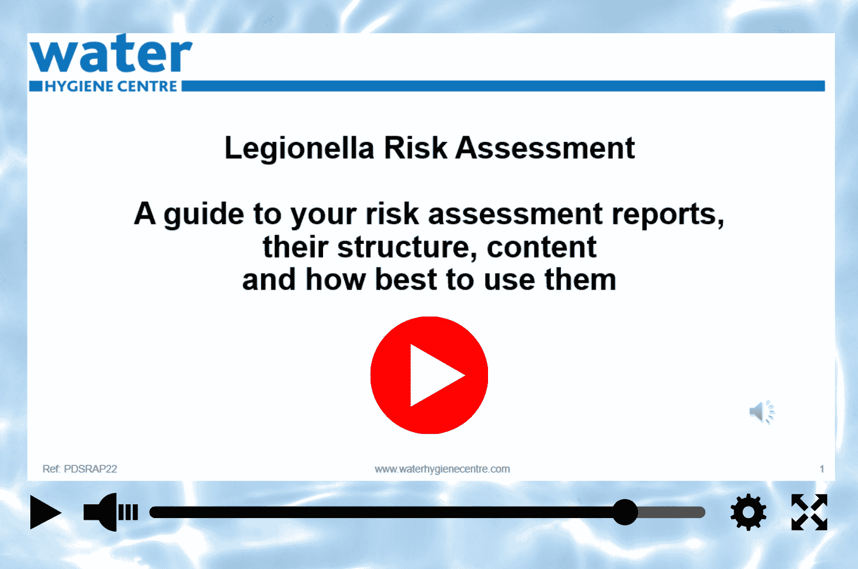
We’ve created this short video to help you get the most from your Legionella Risk Assessment report.
Whether you’re new to managing water hygiene or simply want a better understanding of what’s included in your report, the video will take you through the key sections, explain what they mean and show you how to use the information to support ongoing risk management.
What does the video cover?
The law and why risk assessments are required
We start with the bigger picture – explaining what a Legionella Risk Assessment is, why it is required and how it fits within the wider legal and guidance framework.
We’ll look at:
- HSE ACoP L8
- HSG274 Parts 1–3
- HTM 04-01, including WHTM and SHTM
- BS 8580-1:2019 – Water quality. Risk assessments for Legionella control
We’ll also explain how these standards and guidance documents help inform the assessment of risk and the management measures needed to control it.
Types of reports you may receive
Depending on your agreed contract, there are a variety of reports you may receive. These can include:
-
Legionella Risk Assessment (PDF) – The main report, which summarises the risk data for all water systems and explains the method.
-
Risk Minimisation Scheme (PDF) – A document that contains both compliant and non-compliant observations and recommendations. Includes images and comments on the recommendations.
-
Risk Minimisation Scheme (Excel) – This is similar to the above PDF but only contains the non-compliant data and remedial actions; this is designed to be the working document, also referred to as the action plan. It is prioritised, sortable, and editable. Deadlines and technical solutions can be altered by yourselves. It can be updated as remedial works are completed.
-
Schematic drawings (PDF & AutoCad dwg) – The PDF is simply a copy of the schematic drawing from the AutoCad dwg file, and is designed to be easily accessible from any device; however, it cannot be edited. The AutoCad dwg file can only be opened if you have AutoCad installed on your machine, and can be amended by anyone with a basic knowledge of AutoCad as and when changes are made to the water system.
How to read your report
We’ll then take you through the structure of your report, explaining what you’ll find in each section and, importantly, what you should do with the information.
- Executive Summary – Key findings and areas requiring attention.
- Project Plan – Actions arising from the assessment and how to manage them.
- Risk Assessment Findings & Outcomes – What the findings mean and how they determine risk.
- Risk Minimisation Scheme & Formal Adoption – Recommended control measures, including the supporting Excel reports.
- Summary of Risk Categories – Understanding risk levels and helping you prioritise actions.
- Standards & Risks – How relevant legislation, standards and guidance inform the assessment.
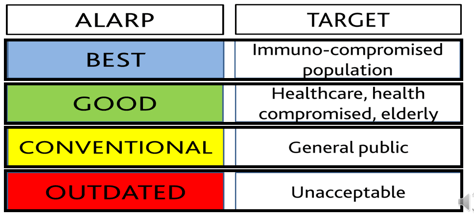 Methodology (ALARP) – How As Low As Reasonably Practicable is applied when assessing and managing risk.
- Prioritisation – Understanding which actions require the most urgent attention.
- How to Review Your Risk Assessment – Making your report a useful part of ongoing water safety management.
- System Data – Understanding the information recorded about your water systems.
- Evidence & Competence – The importance of competence, independence and supporting evidence, including BS EN ISO/IEC 17020, UKAS and RG9.
Your report is a tool – use it!
A good Legionella Risk Assessment should do more than identify risks. It should help you understand those risks, prioritise actions and make informed decisions about how your water systems are managed.
We hope this video gives you greater confidence when reviewing your report and helps you understand how to turn the information within it into meaningful action.
Need a little more help? - If anything in your report is unclear, or you’d like some advice on how to prioritise or manage the recommendations, please get in touch via our website or contact a team member directly.
Our team is always happy to talk through your report, answer questions and provide practical advice on how to get the best value from your Legionella Risk Assessment.
Thank you for being a valued client - We really appreciate your continued trust in the Water Hygiene Centre.
Stay up to date with water hygiene

Whilst you’re here, why not explore some of our free resources designed to help you and your team stay informed?
Subscribe to our Water Hygiene Blogs
Get practical insights, advice and experiences from our Senior Consultants and Authorising Engineers (Water). Our team shares the latest thinking, best practice and developments in water hygiene, helping you stay up to date with the issues that matter.
 Find the right training for your team
Our Training Flipbook provides an overview of our courses, helping you choose the right training for your role, responsibilities and professional development.
It can help you:
- Identify courses suited to your role
- Plan professional development
- Keep up to date with legislation and best practice
- Make confident decisions about water hygiene training
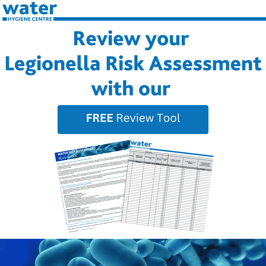 Legionella Risk Assessment and schematic review tool
Our practical review tool helps you carry out a desk-based review of your existing Legionella Risk Assessments and schematics against the relevant HSE guidance. It provides a simple way to record review outcomes and can be updated regularly, including at Water Safety Group meetings.
The tool includes:
- Risk assessment review status
- Schematic review status
- A clear record of review outcomes
- A practical format for ongoing monitoring and review