


Legionella bacteria can often be misunderstood, even by those working in building management or water safety. Misconceptions can lead to unnecessary panic - or worse, unsafe practices. In this blog, we address three Legionella myths we have come across recently and provide practical guidance for managing water systems safely.
Myth 1: “I can see legionella in the water”
Some people believe they can identify Legionella visually. One instance involved someone filling a glass with chalky water and claiming it contained the bacteria.
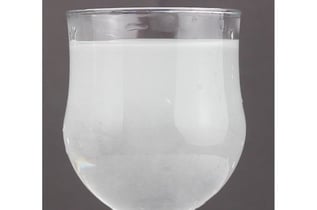 FACT: Legionella bacteria are microscopic - between 0.3 and 0.9 μm wide and 2 to 20 μm long. To put this into perspective, a human hair typically measures between 50 and 120 μm in diameter. Legionella is far too small to be seen by the naked eye.
Advice: Never assume water looks safe based on appearance alone. Regular water testing and a robust water safety plan are essential for detecting and controlling Legionella in any building.

Myth 2: “I can smell Legionella”
Another common misconception is that Legionella emits a noticeable odour. Some online sources suggest it’s possible, but the reality is more nuanced.
FACT: Legionella itself doesn’t have a consistent smell detectable by humans. However, a rotten egg or sulphur-like odour may indicate contaminated water, often linked to hydrogen sulphide produced by bacterial activity. Water with an earthy smell when flushing taps can also signal stagnation or infrequent use, which increases the risk of Legionella growth.
Advice: If you detect unusual odours while flushing a water outlet:
- Stop flushing immediately, assess if the procedure can be completed with extra precautions and measures in place to reduce aerosol generation.
- Check the previous Legionella Risk Assessment (LRA) to see if any previous issues are highlighted.
- Review and update the Legionella written scheme of control if required.
- Follow or create a method statement for flushing infrequently used outlets.
- Wear appropriate respiratory protective equipment (RPE).
- Ventilate the area safely if possible.
- Check the records for past trends/failures, including “little used outlet” (LUO) records, to see if the outlet is listed.
- Assess if cleaning and disinfection are required.
- Consider sampling to establish if bacteria are present
Food for thought: Dogs have been trained to detect Pseudomonas bacteria by Imperial College London and the Medical Detection Dogs charity. While there’s no documented evidence of dogs detecting Legionella, their success with other pathogens highlights how alternative detection methods can supplement traditional water testing.
Myth 3: “Flies lay Legionella larvae”
This one might sound like a bad sci-fi plot - but it’s a misconception that even some staff members have encountered.
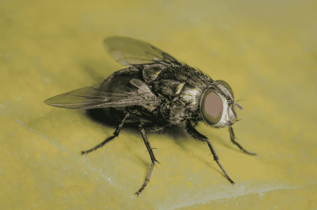
FACT: Flies do not lay Legionella larvae. However, flies can act as mechanical carriers, transporting bacteria from a contaminated source to other areas. Their body and feet can pick up Legionella bacteria and spread it, though they don’t create the bacteria themselves.
Advice: Preventing Legionella spread via insects is mostly about good hygiene and environmental control:
 Maintain high cleaning and housekeeping standards.
- Ensure Water Safety /Legionella training for all relevant staff, including infection control.
- Use mechanical measures such as door and window screens to reduce fly access.
Bottom Line
Legionella myths often stem from misunderstanding and a lack of appropriate training. Factors that can contribute to the growth and spread of Legionella are stagnation, heat gain, nutrient sources, overcapacity, poor training and management.
While visual inspection from outlets, taste, odour, or insects are not reliable indicators of Legionella, being aware of these helps building managers and water safety professionals respond appropriately.
Key Takeaways:
- Legionella is invisible to the naked eye.
- Unusual odours may signal water quality issues, but not necessarily Legionella/bacteria.
- Flies can spread bacteria from different areas, looking for easy food supplies, often decaying organic matter.
- Drain flies (also known as sewer or moth flies) thrive in the thin, slimy bacterial films found in drains, floor drains, and sewage pipes.
- Regular monitoring, inspection, testing, and following water safety plans remain the most effective defence.
Understanding and debunking common Legionella myths isn’t just educational - it’s a crucial part of protecting your building, staff, and visitors from potential outbreaks.
Feel free to reach out if you have any questions about this blog or if you would like to consult with one of our experts for further advice on water hygiene.
Editor's Note: The information provided in this blog is correct as of the date of original publication – April 2026
© Water Hygiene Centre 2026